
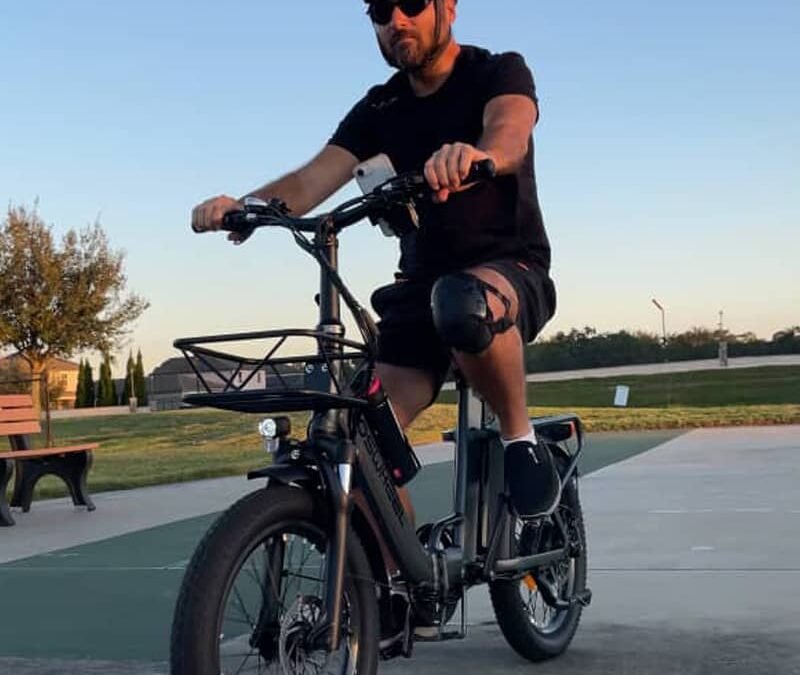
Electric bikes have revolutionized modern transportation across Europe. Whether you want to ditch traffic-jammed city commutes, slash fuel expenses, carry heavy grocery loads, or tackle rugged mountain trails on the weekend, choosing the perfect electric bicycle can feel overwhelming with so many motor types, frame styles, and technical specs on the market.
This comprehensive 2026 buyer's guide breaks down everything you need to know about how to choose an electric bike that matches your lifestyle, body geometry, budget, and local riding conditions.
Step 1: Define Your Primary Riding Purpose
Before looking at motors or battery numbers, ask yourself the most important question: Where and how will I ride most often? E-bikes fall into four main categories:
- All-Terrain & Fat Tire E-Bikes: Equipped with wide 4.0-inch pneumatic tires, rugged suspension, and motorcycle-inspired frames. Models like the RIDSTAR Q20 Pro dominate snow, sand, loose gravel, and steep forestry trails while delivering unmatched stability.
- Electric Cargo & Utility Bikes: Built with elongated reinforced frames, heavy payload capacities (up to 150–200 kg), and integrated cargo racks. The KOOLUX X7 Pro is ideal for courier deliveries, grocery hauling, and family transport.
- Folding & Step-Through Commuters: Designed for urban mobility and easy storage in compact apartments, offices, or car trunks. Compact folding designs (like the COSWHEEL Y20L) allow seamless multi-modal transit.
- Electric Dirt Bikes & Motorcycles: High-powered performance machines built for private trail riding, motocross enthusiasts, and extreme off-road enthusiasts exploring our electric motorcycle category.
Step 2: Understand Motor Power and Drive Types
Motor configuration directly dictates how your e-bike accelerates, climbs hills, and handles technical terrain:
- Single Rear Hub Motor (250W – 750W): The most common setup for urban commuting and leisure riding. The motor is housed inside the rear wheel hub, delivering direct propulsion with minimal chain wear.
- Dual Hub Motors (AWD 1500W – 2000W+): Feature two motors—one in the front wheel and one in the rear. This all-wheel-drive configuration provides blistering torque, eliminates wheel slip on wet mud or snow, and powers up 30-degree inclines effortlessly.
- Pedal Assist vs. Throttle: Most European street-legal e-bikes utilize cadence or torque sensors that deliver power when pedaling. Many off-road and adventure models also feature on-demand twist throttles for effortless cruising.
Step 3: Demystifying Battery Specs (Volts, Amp-Hours, and Watt-Hours)
Battery specifications often confuse first-time buyers. Here is the simple formula to understand true energy capacity:
Watt-Hours (Wh) = Voltage (V) × Amp-Hours (Ah)
Watt-hours represent the total "fuel tank" capacity of your battery:
- 48V 15Ah (720 Wh): Great for standard daily city commutes (40–60 km range).
- 48V 25Ah (1,200 Wh): Found on heavy-duty utility bikes like the KOOLUX X7 Pro, offering 70–100 km of real-world cargo riding.
- 52V 40Ah Dual Battery (2,080 Wh): The gold standard for long-range touring and dual-motor powerhouses (such as the RIDSTAR Q20 Pro), delivering up to 120–140 km on pure electric and pedal assist.
Step 4: Brakes, Suspension, and Safety Features
Because electric bikes travel faster and weigh more than traditional acoustic bicycles, robust safety equipment is non-negotiable:
- Hydraulic Disc Brakes vs Mechanical: Always look for hydraulic disc brakes with 180mm or 203mm rotors on high-power e-bikes. Hydraulic fluid provides effortless one-finger lever pull, instant stopping power, and automatic brake pad motor cutoff.
- Full Suspension vs Front Fork: Front suspension absorbs curb strikes and road potholes. Dual suspension (front fork plus rear hydraulic shock) is essential if you plan to ride fast off-road trails or want maximum spine and lower back comfort.
- Integrated Lighting & Signals: Look for bright LED headlights wired directly to the main battery, integrated rear brake lights, and turn signals for safe nighttime commuting.
Step 5: European Regulations & Road Legality
Before purchasing, consider where you will ride. Under the European standard EN 15194, standard pedelecs allowed on public bike lanes without license or insurance must have a motor rated at 250W continuous power and speed assistance cut off at 25 km/h.
High-power models (750W to 2000W) are designed for private land, private trails, closed properties, or designated off-road riding. Many modern controllers allow setting speed and power limiters for street-compliant riding while reserving full power for private trails.
Comparison: Which RIDSTAR Model Fits You Best?
| Model | Key Feature | Best For | Battery & Range |
|---|---|---|---|
| RIDSTAR Q20 Pro | 2000W Dual Motor (AWD) | Off-road, steep hills, all-weather | 52V 40Ah (Up to 120km) |
| KOOLUX X7 Pro | Long-Tail Cargo & 25Ah | Deliveries, commuting, hauling | 48V 25Ah (Up to 100km) |
| YVY C20 Max | Dual Motor Cruiser | Touring, rugged gravel roads | 48V 30Ah (Up to 90km) |
Frequently Asked Questions
Do I need a driver's license to ride an e-bike in Europe?
For standard 250W pedal-assist e-bikes (25 km/h maximum speed assist), no license, registration, or compulsory motor insurance is required across the EU. High-power models intended for off-road use or speed pedelecs (45 km/h) have specific classification rules depending on the member country.
How much does it cost to charge an e-bike battery?
Charging a standard 1,000 Wh (1 kWh) e-bike battery at European residential electricity rates (€0.25 to €0.35 per kWh) costs approximately €0.30 for a complete charge—costing less than €0.50 per 100 km of travel!
Ready to find your dream ride? Browse our complete collection of high-performance electric bikes, all shipped directly from our European warehouse with fast delivery and a comprehensive 1-year warranty.
 English
 Español
 Italiano
 Deutsch