
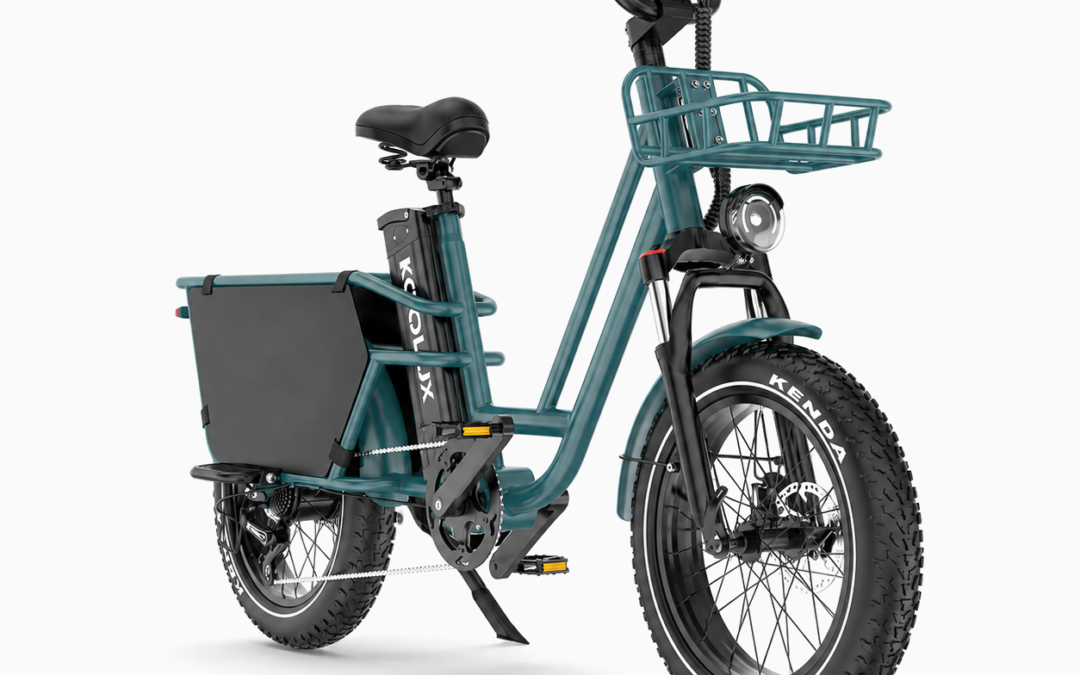
Your electric bike's lithium-ion battery is the beating heart of your ride—and typically the single most valuable component on the frame. Whether you power through daily commutes on a KOOLUX X7 Pro cargo bike or conquer steep off-road trails with a high-capacity dual-motor machine like the RIDSTAR Q20 Pro, mastering proper electric bike battery care will easily double your battery's operational lifespan, preserve peak range, and save you hundreds of euros in premature replacements.
Modern e-bike battery packs are built using advanced lithium-ion cells (such as 18650 or 21700 formats). While durable and energy-dense, these cells are sensitive to heat, extreme cold, deep discharge, and incorrect charging habits. In this comprehensive guide, our engineering team breaks down the 7 golden rules every e-bike owner needs to know to keep their power pack performing like new.
1. Embrace the 20% to 80% Charging Sweet Spot
One of the most widespread misconceptions among new electric bike owners is the belief that lithium batteries must be fully depleted before recharging. This habit originates from older nickel-cadmium (NiCad) batteries that suffered from "memory effect"—a problem that does not exist in modern lithium-ion packs.
In fact, chemical stress on lithium cells peaks when the battery is either completely empty (0%) or fully charged (100%) at high voltage:
- Avoid deep discharges: Do not routinely ride until your display shuts down. Recharging when your battery level reaches 20% to 30% significantly reduces internal resistance stress.
- Daily charging: For everyday commuting where you do not need the full range, unplugging the charger when the battery hits 80% to 90% can increase the overall charge cycle life from 500 cycles up to over 1,200 cycles.
- Balance charging: Once every month or two, leave the charger connected for an extra 1–2 hours after reaching 100% so the internal Battery Management System (BMS) can balance the voltage across all individual parallel cell groups.
2. Protect the Battery from Temperature Extremes (Especially Winter Cold)
Lithium-ion batteries operate best within the same temperature range that humans find comfortable: between 15°C and 25°C (59°F to 77°F). Temperature extremes dramatically alter chemical reactivity:
- Winter riding: In temperatures below 0°C (32°F), internal electrolyte resistance increases, causing temporary voltage sag and reducing your riding range by 20% to 35%. This drop is temporary and recovers when warm.
- CRITICAL: Never charge a freezing battery! If you return from a cold winter ride, bring the battery indoors and allow it to reach room temperature for at least 1.5 to 2 hours before plugging in the charger. Charging below 0°C can cause irreversible metallic lithium plating, permanently damaging capacity and creating an internal short-circuit hazard.
- Summer heat: Avoid leaving your battery inside a parked car on hot summer days or sitting under direct scorching sunlight. Ambient heat above 45°C accelerates thermal degradation faster than any other factor.
3. Always Use the Original Manufacturer Charger
Never purchase cheap generic or uncertified third-party chargers from unverified marketplaces. High-capacity e-bike packs (whether 48V, 52V, or 60V) require precise multi-stage charging algorithms (Constant Current / Constant Voltage, or CC/CV) with built-in thermal cutoffs.
An improper charger with an incorrect cut-off voltage or excessive amperage can easily overheat the battery cells, degrade the BMS, or present serious fire hazards. If you need a replacement or spare charger for work, always source authentic equipment from verified suppliers or our official e-bike spare parts collection.
4. Store at 50% Charge During Off-Season or Extended Storage
If you put your electric bike away for the winter or will not be riding for several weeks, follow this strict storage protocol:
- Ideal state of charge: Store the pack between 50% and 65% charge (approximately 3.8V per cell). Storing at 100% full voltage causes chemical oxidation, while storing at 0% can cause the battery to slip into an unrecoverable "deep sleep" due to natural self-discharge.
- Storage location: Store the pack in a dry, well-ventilated indoor space away from flammable materials and moisture, at temperatures between 10°C and 20°C.
- Check every 4–6 weeks: Inspect the battery level every month and give it a short 30-minute top-up if the indicator drops below 40%.
5. Inspect and Clean the Terminals and Connectors
Road salt, rainwater, and trail mud can accumulate around the battery mounting cradle and connection pins. Oxidized or dirty connectors increase electrical resistance, causing voltage drops, reduced motor power, and potential heat buildup at the contact points.
Inspect the connector pins monthly. If you detect dust or grime, gently clean the terminals with a dry microfiber cloth or electrical contact cleaner. Ensure the key-locking mechanism engages securely so the battery cannot vibrate loose while tackling bumpy terrain.
6. Why Dual-Battery Setups Reduce Long-Term Cell Wear
High-performance models like the RIDSTAR Q20 Pro feature a dual-battery configuration delivering a massive 52V 40Ah (over 2,000 Watt-hours of total capacity). Beyond offering astonishing ranges exceeding 100 km on a single charge, dual-battery systems offer an enormous engineering advantage for longevity:
When current draw is distributed across two separate battery packs, each individual cell operates at a significantly lower discharge rate (C-rate). Lower discharge current prevents internal heating, eliminates voltage sag under heavy motor loads, and preserves battery health far longer than a single small battery operating near its continuous maximum output.
7. Frequently Asked Questions (FAQ)
Can I leave my e-bike battery plugged in overnight?
Modern chargers and smart BMS boards automatically cut off charging once the pack reaches 100%. However, as a safety best practice, it is recommended to disconnect the charger within an hour after the LED light turns green. Never leave a battery charging unattended for multiple days.
How many years does an electric bike battery typically last?
With proper care, a quality lithium-ion e-bike battery will deliver 3 to 5 years of regular service, retaining 75% to 80% of its initial capacity even after 600–800 full charge cycles. Neglecting winter storage or frequently draining to 0% can cut that lifespan in half.
Where can I get original replacement batteries or chargers in Europe?
You can find genuine factory-certified batteries, displays, controllers, and smart chargers shipped directly from our European warehouse in our Spare Parts & Accessories store with full EU warranty coverage.
Have questions about your specific e-bike model or battery configuration? Reach out anytime through our customer support team or explore our full range of high-performance electric bikes today.
 English
 Español
 Italiano
 Deutsch